How far are we from electric aircraft?
The aviation industry has developed enormously since the Wright brothers and has continuously evolved and improved over time. The performance of private jets is constantly being optimised through advances in engine technology and cabin systems, making them more efficient than ever before. The next major breakthrough?
Electric aircraft
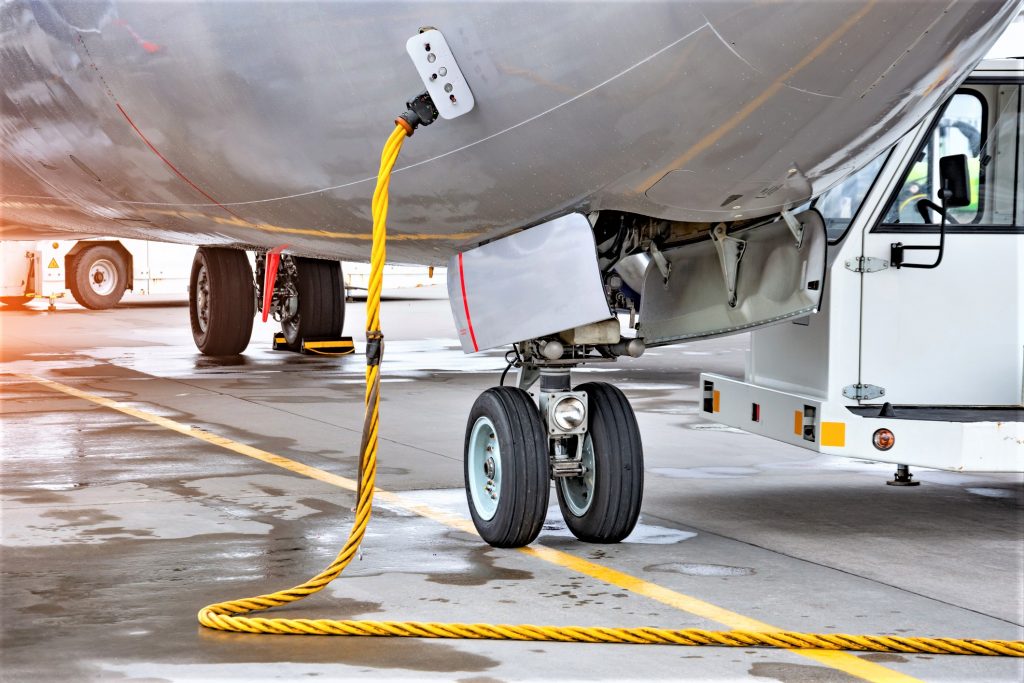
How far are we from electric aircraft?
Although it will still be some time before we see electric aircraft operated by airlines such as British Airways, business aviation is not too far behind. Several small electric aviation projects are already beyond the early development stage and have completed test flights.
Why does this matter for business aviation / private jets?
Battery capacity is at the heart of electric aviation. While batteries and electric motors are advancing rapidly, electric aircraft are currently limited in range and passenger capacity. As a result, the first certified electric passenger aircraft are likely to be smaller and designed for shorter routes – ideally matching the type of flights where private jets are commonly used.
This is extremely exciting – within a few years, many private flights could be operated by electric aircraft. Our goal is to embrace this technology and offer our clients 100% electric private charter flights as soon as it becomes possible.
The development of electric aircraft
There are currently around 200 electric aircraft programmes in development worldwide. To give you an idea of where the industry stands today, here are some key milestones from recent years.
2014: Pipistrel Alpha Electro, the world’s first two-seat electric training aircraft for flight schools.
2014: Airbus E-Fan by Airbus, also intended for pilot training. However, as technology and batteries improved faster than expected, it was withdrawn in 2017 to make way for the E-Fan X programme.
2017: E-Fan X – a far more ambitious hybrid-electric project by Airbus. The goal was to fly a 2 MW aircraft by the early 2020s. The first flight was planned for 2021.
2017: Alice by Eviation – development of one of the most promising electric aircraft concepts began in Israel in 2017. Alice can carry nine passengers over a range of 1,045 km. Destinations include Paris, Geneva, Nice and London – key cities for European business aviation. The company estimated significantly lower operating costs compared to jet-powered aircraft. The first flight was planned for 2020, with certification targeted for 2022.
2019: Ampaire developed the hybrid Electric EEL aircraft. It seats six passengers and features an electric rear motor and a battery integrated into the fuselage. Certification and entry into service were planned for 2021.
2019: magniX and Harbour Air made headlines in December 2019 with the successful flight of the world’s first fully electric commercial aircraft. The ePlane, a six-seat DHC-2 de Havilland Beaver powered by a 750 hp (560 kW) magni500 propulsion system, flew on 10 December 2019 on the Fraser River at Harbour Air Seaplanes Terminal in Richmond (YVR South).
2019: Rolls-Royce and Widerøe, Scandinavia’s largest regional airline, announced a joint research programme in electric aviation. The aim is to develop an electric concept to help Norway achieve zero emissions by 2030 and eventually replace Widerøe’s regional fleet.
The third revolution in aviation has begun – and it is electric. Aerospace companies around the world are working together to reduce greenhouse gas emissions, and electric aircraft are seen as one of the most promising solutions.
We are passionate about this development and excited to see what the next decade will bring. We hope to offer our clients 100% electric charter flights by 2030!